Blog
Opal Guide: How to Choose and Care for October’s Birthstone

If you were born in October, you got one of the most interesting birthstones on the calendar. Opal doesn’t just sparkle. It shifts, flashes, and changes color as you move, so no two stones ever look quite the same. This guide walks you through what opal actually is, the different types you’ll see in stores, how to choose a piece you’ll love, and how to care for it so it stays bright for years.
What Is Opal, Exactly?
Opal is a form of silica, the same basic material as quartz, but with water locked inside its structure. Instead of growing as a neat crystal, it forms from tiny silica spheres that settle in layers. When those spheres line up in an orderly pattern, they split light into rainbow colors. That flashing effect is called play-of-color, and it’s what makes opal so recognizable.
A few quick facts worth knowing before you shop:
- Hardness: about 5.5 to 6.5 on the Mohs scale, which is softer than sapphire, topaz, or even quartz.
- Birth month: October (shared with tourmaline, the month’s other modern birthstone).
- Anniversary: traditionally linked with the 14th wedding anniversary.
- Main sources: Australia has long been the best-known source, and Ethiopia has become a major one in recent years.
Types of Opal You’ll See When Shopping
“Opal” covers a surprisingly wide range of stones. Here’s how the common names break down.
| Type | What it looks like | Good to know |
|---|---|---|
| White (light) opal | Milky white body with soft rainbow flashes | The classic look most people picture |
| Black (dark) opal | Dark body that makes the colors pop | Usually the most expensive natural type |
| Crystal opal | Clear to semi-clear with color floating inside | Looks lovely over bright silver |
| Ethiopian (Welo) opal | Bright, often bold flashes on a white to clear body | Many can absorb water, so avoid soaking |
| Fire opal | Orange, red, or yellow body, sometimes with little or no play-of-color | Prized for its warm body color |
| Common opal (including blue and pink opal) | Solid soft color, no rainbow flashes | Still natural opal, just without play-of-color |
Natural, Lab-Created, and Simulated Opal
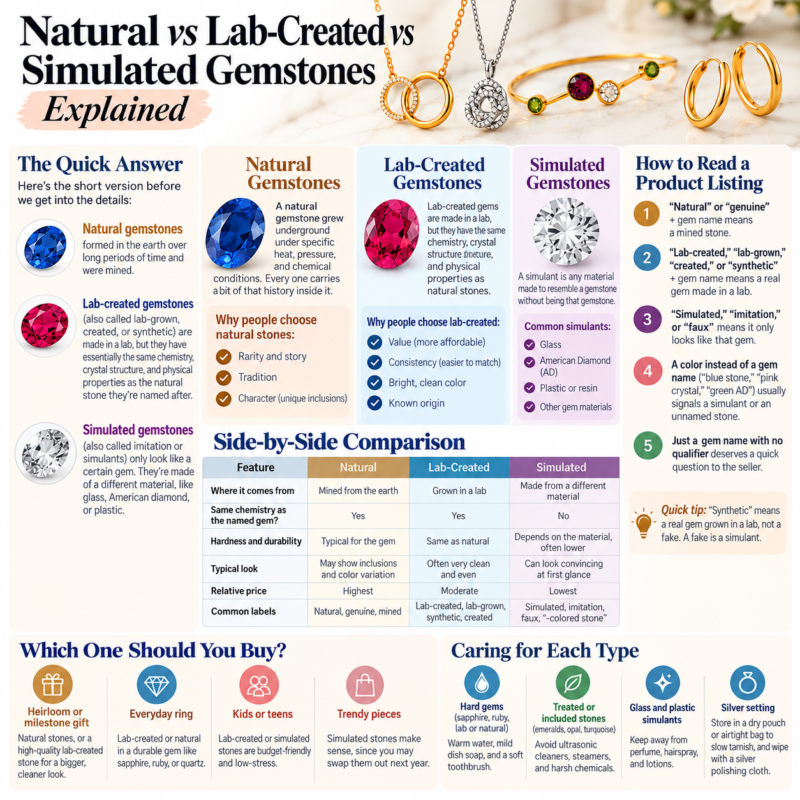
This is the part that trips people up, so it’s worth slowing down:
- Natural opal formed in the earth. It can be “solid” (one piece of opal) or assembled into a doublet (a thin opal slice glued to a dark backing) or triplet (the same, plus a clear quartz or glass cap on top).
- Lab-created opal has a similar makeup to natural opal but is grown in a lab. It’s real opal material, just not mined.
- Simulated or imitation opal only copies the look. Resin, plastic, and glass are common. The milky glass sold as “opalite” is a good example, and it isn’t opal at all.
None of these are “bad” choices. They just differ in price, durability, and care. The key is that the listing tells you clearly which one you’re getting. If a description doesn’t say, ask before you buy.
Opal Color, Meaning, and Folklore
Opal has collected a lot of stories over the centuries. The ancient Romans reportedly prized it as a symbol of hope and good fortune, because it seemed to hold the colors of every other gem at once. In many traditions, it’s associated with creativity, imagination, and self-expression, which is part of why it’s such a popular gift for artsy, curious friends.
You may also have heard that opal is “unlucky.” That idea is often traced to Sir Walter Scott’s 1829 novel Anne of Geierstein, where an opal plays a role in a character’s misfortune. It’s a piece of literary folklore, not a rule. Plenty of people wear opal every day and simply love how it looks.
Think of opal’s symbolism as a sweet story to share with the person you’re gifting, not as a promise of what the stone will do.
How to Choose Opal Jewelry You’ll Actually Wear
1. Look at the color play in different light
Turn the stone slowly under a window, then under indoor lighting. Better opals show bright color across most of the face from several angles. A stone that only flashes at one tilt is usually more subtle.
2. Pick a setting that protects the stone
Because opal is on the softer side, setting style matters a lot, especially for rings and bracelets that bump into things all day.
- Pendants and earrings are the easiest everyday choice since they take the fewest knocks.
- Bezel settings (a metal rim around the stone) protect the edges better than tall prongs.
- Rings are doable, but save them for lighter wear and take them off for chores, gym time, and gardening.
3. Match the metal to the stone’s body color
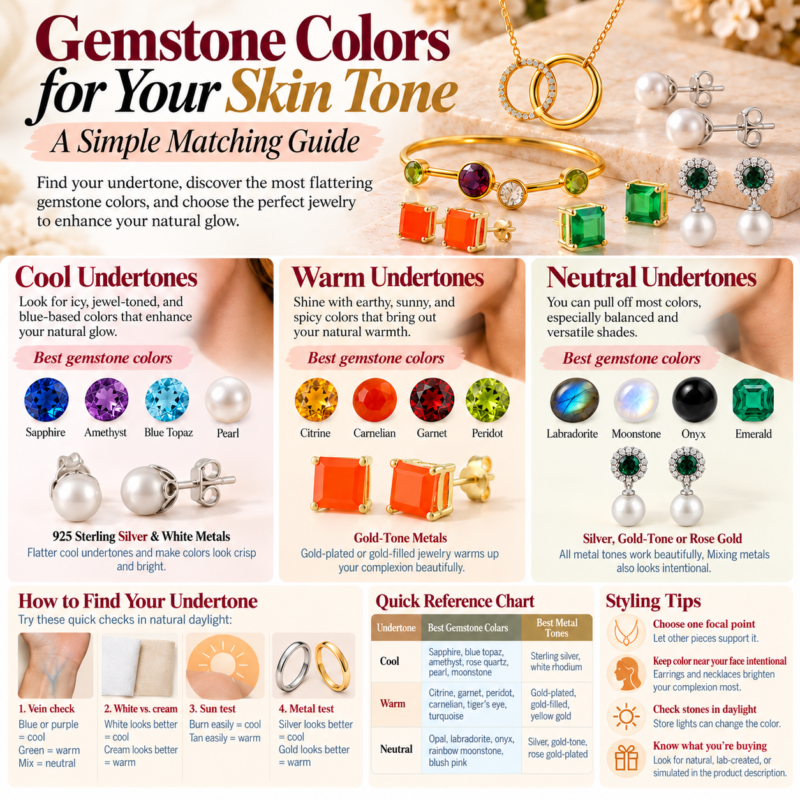
Bright 925 sterling silver (92.5% silver and 7.5% other metals, usually copper) makes white, crystal, and blue opals look cool and fresh. A rhodium-plated finish adds extra shine and slows tarnish. Gold-toned finishes warm up white and Ethiopian opals and bring out the oranges and greens in the flashes. Just remember a gold-plated or gold-filled finish over silver isn’t the same as solid gold, so check the product details.
4. Think about how it fits your wardrobe
Opal is easy to style because it carries so many colors. A raw opal chip necklace layers beautifully with a plain chain. A pair of soft blue opal drops works with denim, navy, and grays. If you want ideas on choosing stones beyond your birth month, our post on finding your birthstone match is a good next read.
Opal Picks From Our Shop
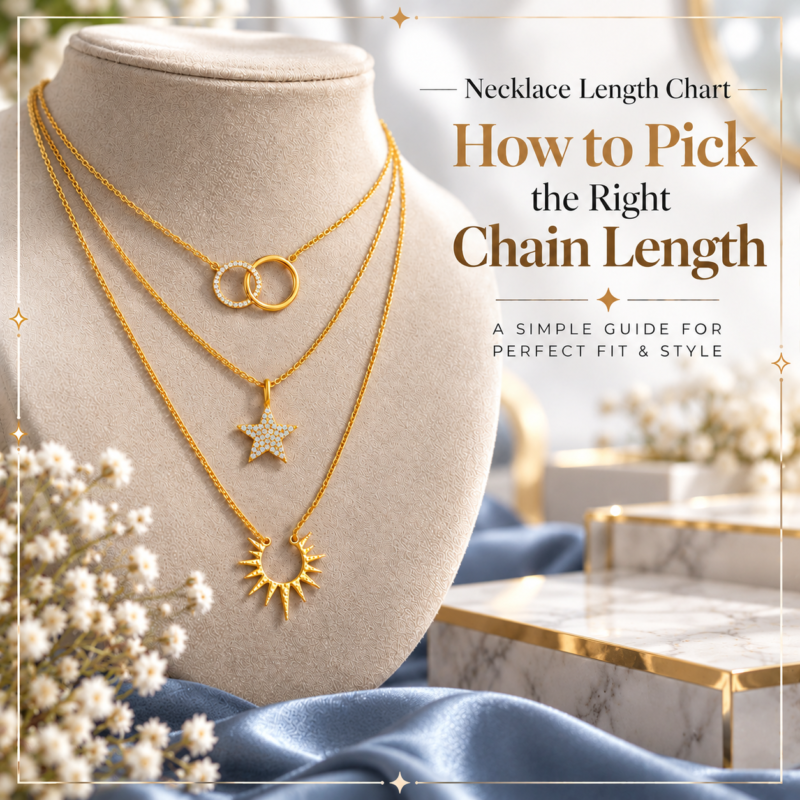
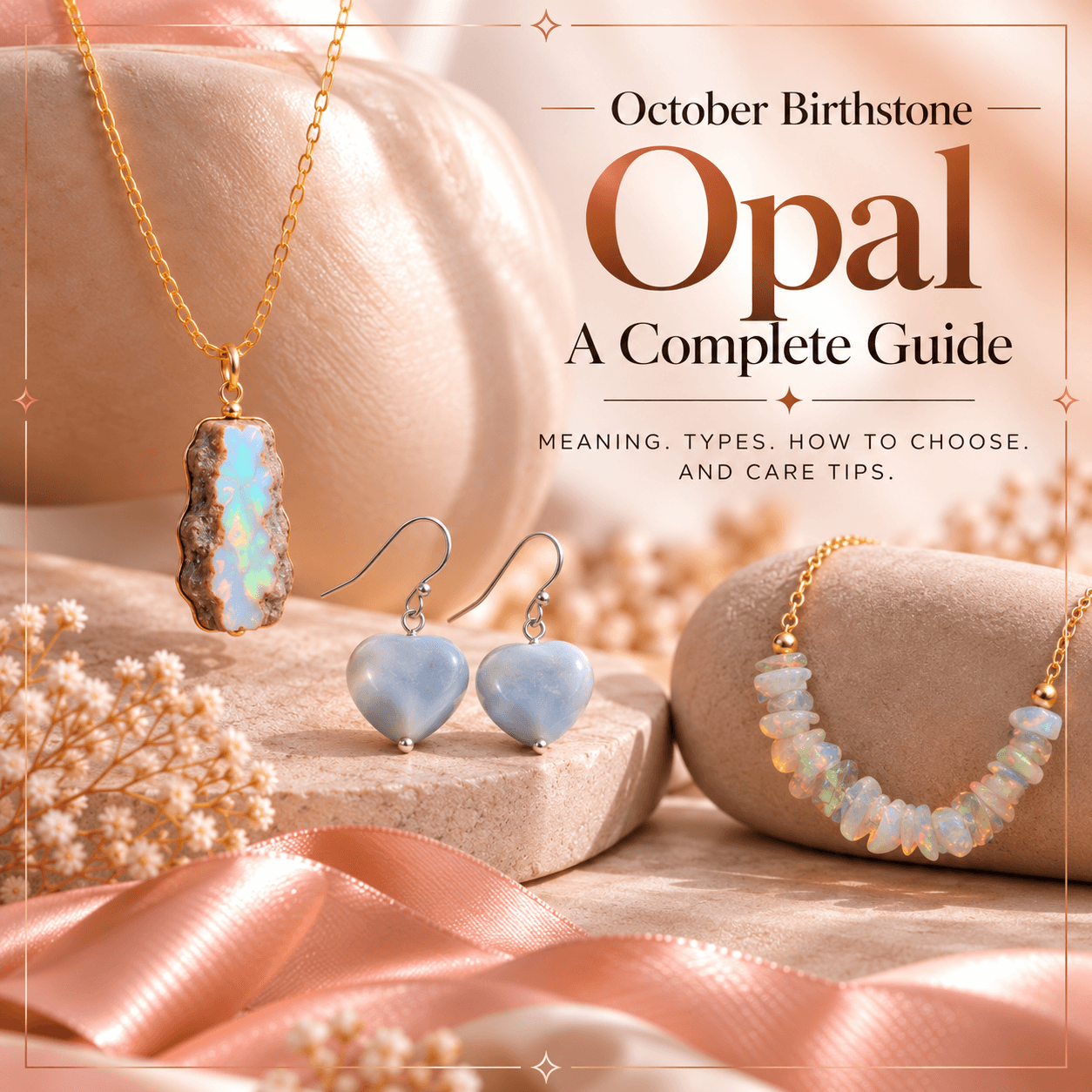
- The Raw Opal Chip Necklace uses raw Ethiopian opal chips (per the product listing) on a 925 sterling silver base with an 18K gold-filled finish. It comes in 16, 18, and 20 inch lengths, each with a 2 inch extender.
- The Blue Opal Heart Dangle Earrings pair soft blue stones with rhodium-finished sterling silver, a sweet pick for an October birthday.
How to Care for Opal Jewelry
Opal isn’t fragile, but it does like a gentler routine than harder gems. Here’s the short version.
| Do | Don’t |
|---|---|
| Wipe with a soft, slightly damp cloth | Use ultrasonic or steam cleaners |
| Use a drop of mild dish soap in lukewarm water, then dry right away | Soak opal, especially Ethiopian opal, doublets, or triplets |
| Put it on after lotion, perfume, and hairspray | Dip it in silver tarnish remover or harsh cleaners |
| Store it in its own soft pouch or lined compartment | Toss it in a drawer with harder gems that can scratch it |
| Take it off for workouts, cleaning, and swimming | Expose it to sudden temperature swings (hot car to cold air) |
A quick note on Ethiopian opal: many of these stones are “hydrophane,” meaning they can absorb water. A wet stone may temporarily turn cloudy or lose its color play, then return to normal once it dries slowly at room temperature. Don’t try to speed that up with heat.
For the silver itself, use a polishing cloth on the metal only and steer around the stone. Our full guide on caring for 925 silver jewelry covers storage and tarnish in more detail.
Opal vs. Tourmaline: October’s Two Birthstones
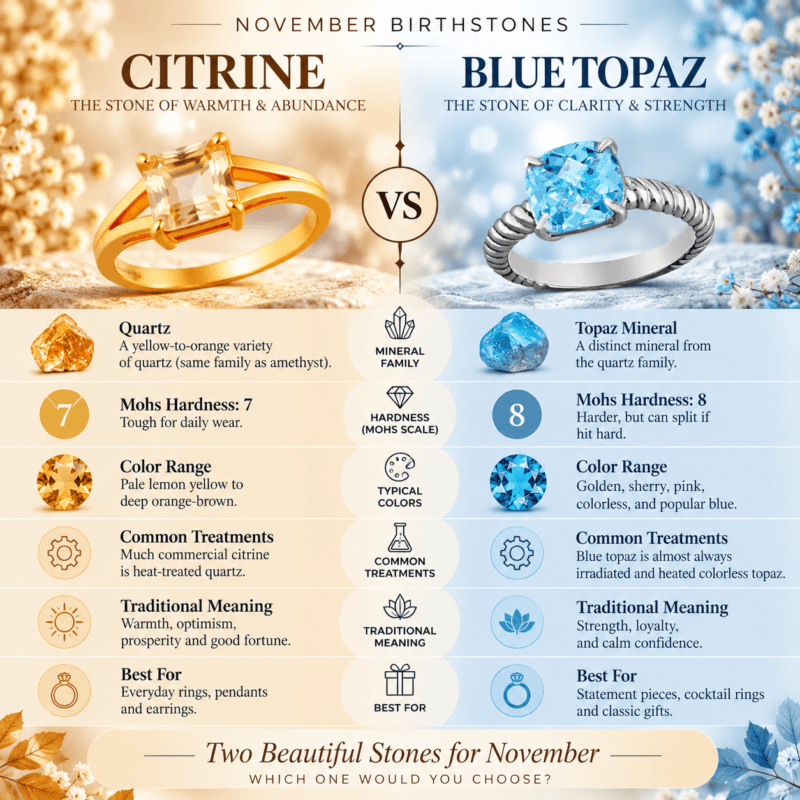
If you’re shopping for an October birthday, you can choose either stone. Opal is the soft, shimmering, one-of-a-kind option. Tourmaline is harder (about 7 to 7.5 on the Mohs scale) and comes in nearly every color, with pink being the most popular October pick. If your giftee is rough on jewelry, tourmaline may stand up better to daily wear. If they love something unique and a little dreamy, opal is hard to beat.
Frequently Asked Questions
Can I wear opal jewelry every day?
Yes, especially earrings and pendants. For rings and bracelets, choose a protective setting like a bezel and take them off for hands-on tasks, workouts, and cleaning.
Can opal get wet?
A quick splash or a gentle wipe is fine. Avoid soaking, swimming, and hot tubs, especially with Ethiopian opal and with doublets or triplets, since water can affect the stone or loosen the glue layers.
How can I tell if opal is natural, lab-created, or simulated?
It’s hard to tell by eye, which is why the product listing matters. Look for clear wording like “natural,” “lab-created,” or “simulated.” Lab-created opal can show a very regular, scaly pattern, and doublets or triplets often show a visible line on the side. When in doubt, ask the seller or a qualified gemologist.
Is blue opal the same as rainbow opal?
Not quite. Blue opal sold in jewelry is often common opal with a solid soft color and no rainbow flashes, while precious opal shows play-of-color. Some blue “opals” on the market are lab-created or imitation, so check the listing for how the stone is described.
Is sterling silver a good choice for opal jewelry?
It’s a great match. Bright silver flatters white and blue opals, and sterling silver is often a good option for sensitive skin, though alloys vary, so check the product details if you have known metal allergies.
If someone in your life has an October birthday coming up (or that someone is you), take a slow look through our October opal collection. Pick the piece whose color play makes you smile, then give it a little gentle care, and it’ll keep catching the light for a long time. You can also browse the full birthstones collection for every other month.