Blog
How to Store Jewelry to Prevent Tarnish (Silver & Gemstones)

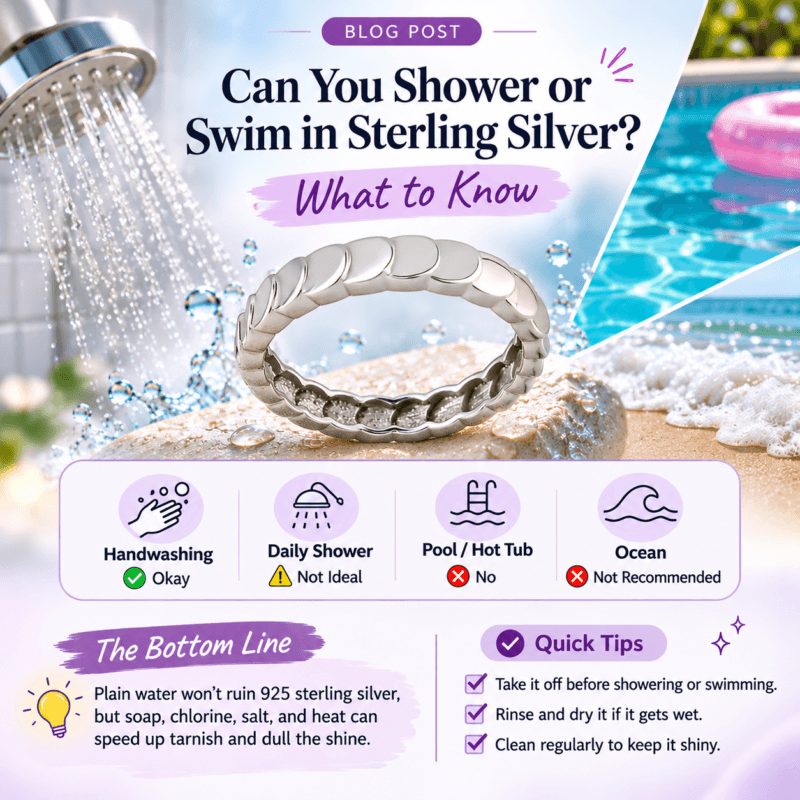
You put your favorite sterling silver ring away in perfect shape, and three months later it comes out looking yellowish, then brown, then almost black. Nothing’s wrong with the ring. It’s just been sitting in the wrong spot. The good news: where and how you store your jewelry makes a bigger difference to tarnish than almost anything else, and fixing it doesn’t take an expensive setup.
Why Silver Tarnishes in Storage
Tarnish is a surface reaction, not damage to the metal itself. Silver reacts with sulfur compounds in the air and forms a thin layer of silver sulfide, which looks yellow at first and darkens over time. 925 sterling silver jewelry is 92.5% silver and 7.5% other metals, usually copper, and that copper can speed things up a little too.
A few things make tarnish happen faster:
- Humidity. Moist air speeds up the reaction. Bathrooms are the worst offender.
- Air exposure. The more fresh air reaching the surface, the more sulfur it meets.
- Sulfur-releasing materials nearby. Rubber bands, latex, wool, some felts, some cardboard and paper, and certain adhesives all give off sulfur compounds.
- Residue. Lotion, perfume, hairspray, and sweat left on a piece keep working on it while it sits.
So the goal of good storage is simple: keep silver dry, limit its air exposure, and keep it away from materials that feed tarnish.
Before You Put Anything Away
The two minutes before storage matter more than people think. Tarnish loves a dirty, damp surface.
- Wipe it down. Use a soft, lint-free cloth to remove skin oils and product residue. If a piece is grimy, wash it in lukewarm water with a drop of mild dish soap, rinse, and dry thoroughly.
- Let it air-dry fully. Give pieces with stones, prongs, or chain links a little extra time, since water hides in crevices.
- Separate by type. Silver, gold, plated pieces, and soft gemstones all have slightly different needs, so sort them before they go in a drawer.
The Best Ways to Store Silver Jewelry
Small zip-top bags
This is the cheapest option and one of the most effective. Put each piece in its own small polyethylene zip-top bag, press out as much air as you can, and seal it. Less air means less sulfur reaching the surface. Lay chains flat with the clasp poking out of the seal so they don’t knot. Avoid bags made from PVC, which can release chemicals over time.
Anti-tarnish strips and pouches
Anti-tarnish strips are small paper tabs treated to absorb sulfur compounds from the air around them. Drop one into a bag, box, or drawer compartment. They don’t last forever, so follow the replacement timing on the package; many brands suggest swapping them every few months up to about a year, depending on how often the container is opened. Anti-tarnish cloth pouches work the same way and are great for single favorite pieces.
A lined jewelry box (with the right lining)
A jewelry box with separate compartments keeps pieces from scratching each other. For silver, look for a box that lists an anti-tarnish lining. Plain felt or wool-blend linings can actually encourage tarnish, so if your box doesn’t say otherwise, add a strip to each section or keep silver in bags inside it.
Silica gel packets
Those little “do not eat” packets that come in shoe boxes absorb moisture. Tossing one into a drawer or storage box helps in humid climates. Keep them away from opals and pearls, though (more on that below).
Where to Keep Your Jewelry (and Where Not To)
| Good spots | Spots to avoid |
|---|---|
| A bedroom dresser drawer | The bathroom counter or vanity |
| A closet shelf in a closed box | A windowsill or anywhere in direct sun |
| A cool, dry cabinet away from the kitchen | Near a heater, radiator, or stove |
| Inside a closed container on a nightstand | Open dishes or trays for long-term storage |
| Individual bags in a jewelry box | Next to rubber bands, wool sweaters, or latex gloves |
Open dishes and ring trays are fine for the pieces you wear every day. Daily wear actually helps, since gentle friction against skin and clothing keeps tarnish from building up. It’s the pieces you only wear a few times a year that need the closed-container treatment.
Storing Gemstone Jewelry Without Damage
Silver settings protect better in airtight bags, but some stones need a gentler approach. Here’s how to handle the common ones:
| Stone | Storage tip |
|---|---|
| Pearls | Store flat in a soft cloth pouch. Skip airtight plastic and silica gel for long stretches, since pearls can dry out. |
| Opal | Keep away from heat and very dry air. Don’t store with silica gel packets. |
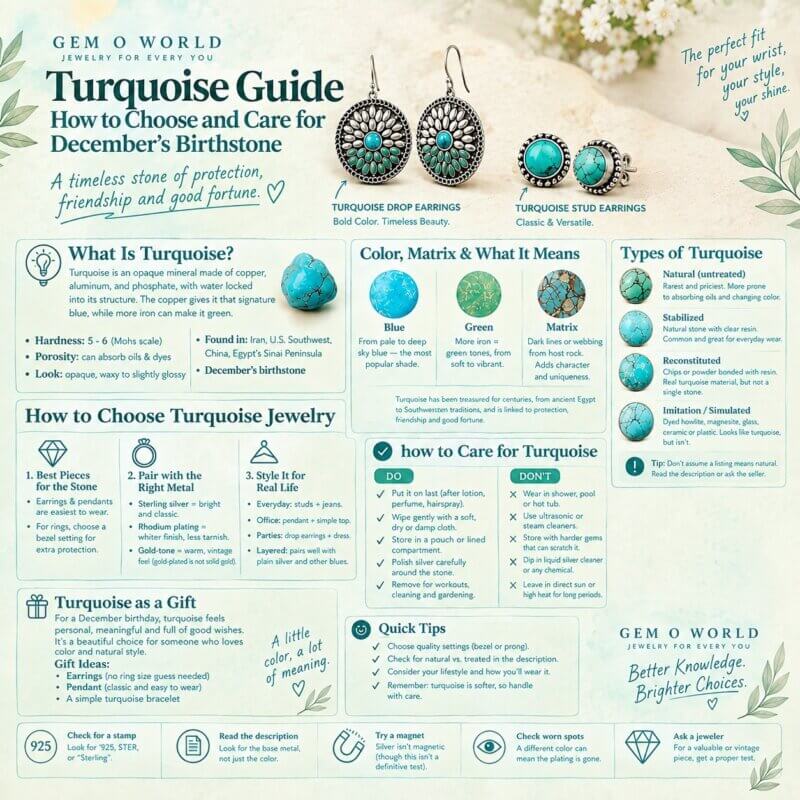
| Turquoise | Porous, so keep it away from perfume and lotion residue. A soft pouch works well. |
| Amethyst, citrine | Avoid long periods in direct sunlight, which can fade some stones. |
| Harder stones (topaz, garnet, cubic zirconia) | Keep separate from softer stones and silver so they don’t scratch them. |
A good rule of thumb: harder stones can scratch softer stones and metal, so never toss everything into one pouch together.
Keeping Necklaces, Earrings, and Rings Organized
- Necklaces: Fasten the clasp before storing, then lay the chain flat or hang it. Fine chains can go through a drinking straw, clasp on the outside, to stay tangle-free.
- Earrings: Keep pairs together. Studs can go back on their backs and into a small compartment or a bag; hoops can hang on a card or stand inside a closed box.
- Rings: Use ring slots or individual bags so stones don’t rub against each other.
- Bracelets: Store chain bracelets clasped and flat. Bangles can stack, but slide a soft cloth between silver bangles to avoid scratches.
Common Storage Mistakes to Avoid
- Putting pieces away right after a shower or workout while they’re still damp.
- Using rubber bands or hair ties to bundle chains.
- Storing silver and plated pieces loose in the same pouch, where they rub and wear down plating.
- Keeping everything in the bathroom because that’s where you get ready.
- Forgetting to replace old anti-tarnish strips.
A Simple Storage Routine That Works
You don’t need a fancy system. Here’s a routine that’s easy to stick with:
- Wipe each piece when you take it off.
- Keep everyday favorites in a small closed box on your dresser.
- Bag occasional pieces individually with an anti-tarnish strip.
- Check your stash once a season and give anything that’s yellowing a quick polish with a silver cloth before it darkens.
With the holidays coming up, it’s also a smart time to sort through what you own and see which pieces deserve more wear. If you’re filling a gap, our women’s necklace collection is a nice place to browse, and every piece will last longer with the storage habits above.
Frequently Asked Questions
Does storing silver in a ziplock bag prevent tarnish?
It helps a lot. Sealing a clean, dry piece in a small polyethylene bag with the air pressed out limits how much sulfur reaches the surface. It won’t stop tarnish forever, but it slows it down noticeably, especially if you add an anti-tarnish strip.
Is it bad to keep jewelry in the bathroom?
For long-term storage, yes. Steam from showers raises the humidity, and humidity speeds up tarnish on sterling silver. Keep a small dish there for the ring you take off to wash your hands if you like, but store the rest of your collection in a drier room.
Can I store gold and silver jewelry together?
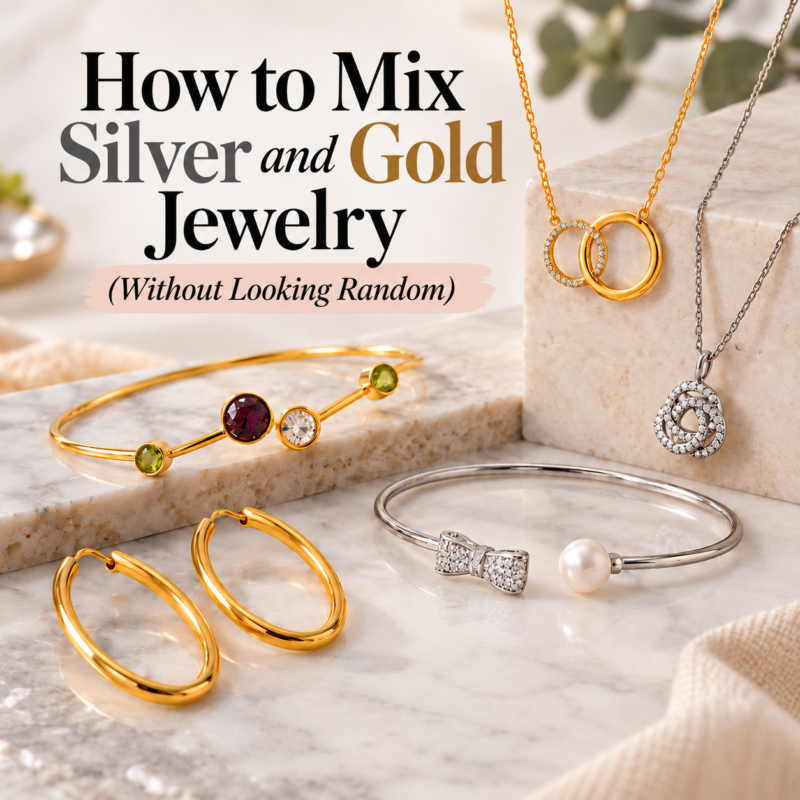
You can keep them in the same box, but give each piece its own compartment or bag. Pieces rubbing against each other can scratch, and plated items can lose their finish faster. Solid gold doesn’t tarnish the way silver does, so it doesn’t need anti-tarnish strips.
How often should I replace anti-tarnish strips?
Follow the timing on the package, since it varies by brand. Many suggest replacing them every few months up to about a year. If the container gets opened a lot, or the strip has changed color, swap it sooner.