Blog
How to Mix Silver and Gold Jewelry (Without Looking Random)

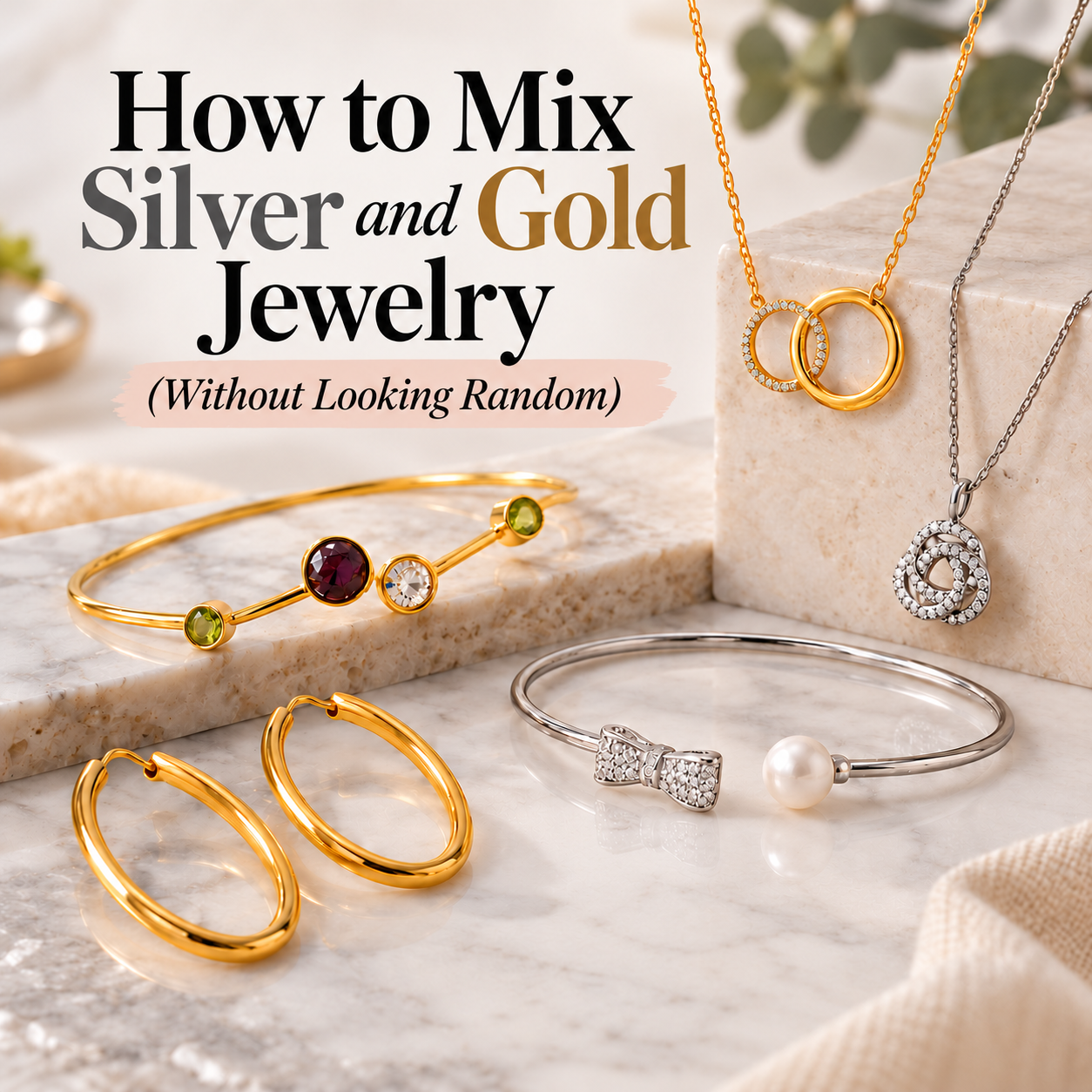
For years the “rule” was simple: pick silver or gold and stick with it. That rule is gone, and honestly, good riddance. Mixing metals is one of the easiest ways to make the jewelry you already own feel new again, and it means you never have to take off a sentimental gold piece just because today’s earrings are silver. The trick is doing it on purpose, so the look reads as styled instead of accidental. Here’s how to get it right, from your rings to your necklaces.
Why Mixing Silver and Gold Jewelry Works Now
Mixed metals look intentional because they echo how most of us actually live. You might have a gold watch from a parent, a silver ring you bought on a trip, and a rose-toned bracelet from a friend. Wearing them together tells a story.
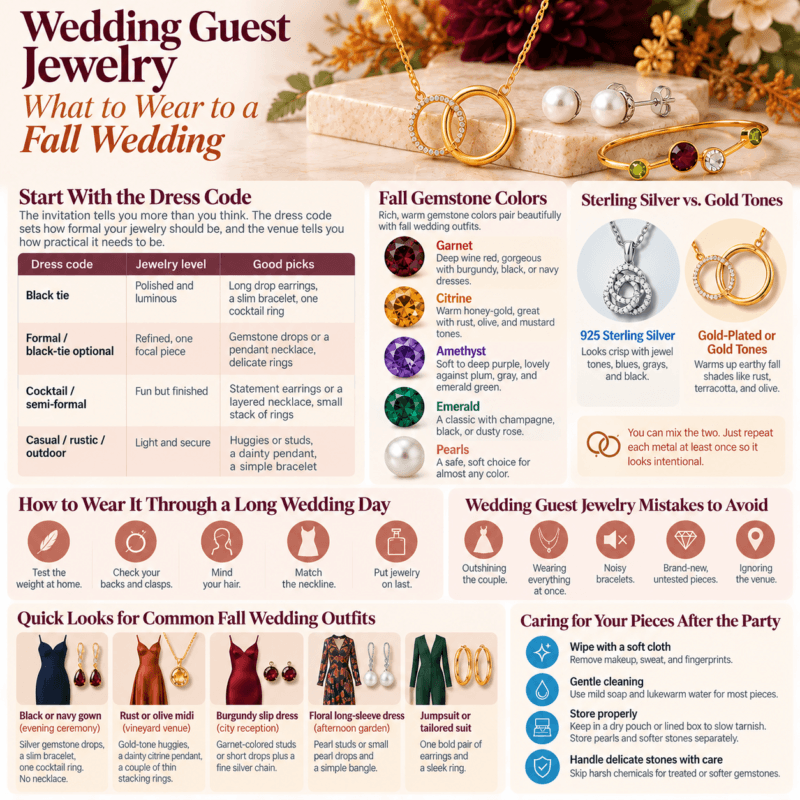
It’s also practical. When your jewelry box doesn’t have to be split into two teams, every piece gets more wear. If most of your collection is 925 sterling silver jewelry, you already have the perfect base: silver’s cool, bright tone pairs well with warm gold accents and doesn’t fight for attention.
A quick note on what you’re mixing. 925 sterling silver is 92.5% silver and 7.5% other metals, usually copper. Many gold-toned pieces in a sterling collection are sterling silver with a gold plating on top, which gives you the warm color at a friendlier price. That’s different from solid gold, so check the product description so you know what you’re wearing and how to care for it.
The Simple Rules That Make Mixed Metals Look Intentional
1. Pick a dominant metal
Let one metal lead, roughly 70/30. If silver is your main metal, add one or two gold pieces as accents. A look that’s an even 50/50 split can work, but it’s harder to pull off and tends to look busy.
2. Repeat each metal at least twice
One lonely gold ring in a sea of silver can look like a mistake. Repeat it somewhere else, like a gold stud in one ear position or a thin gold chain in your necklace layer. Repetition is what tells people “I meant to do this.”
3. Use a bridge piece
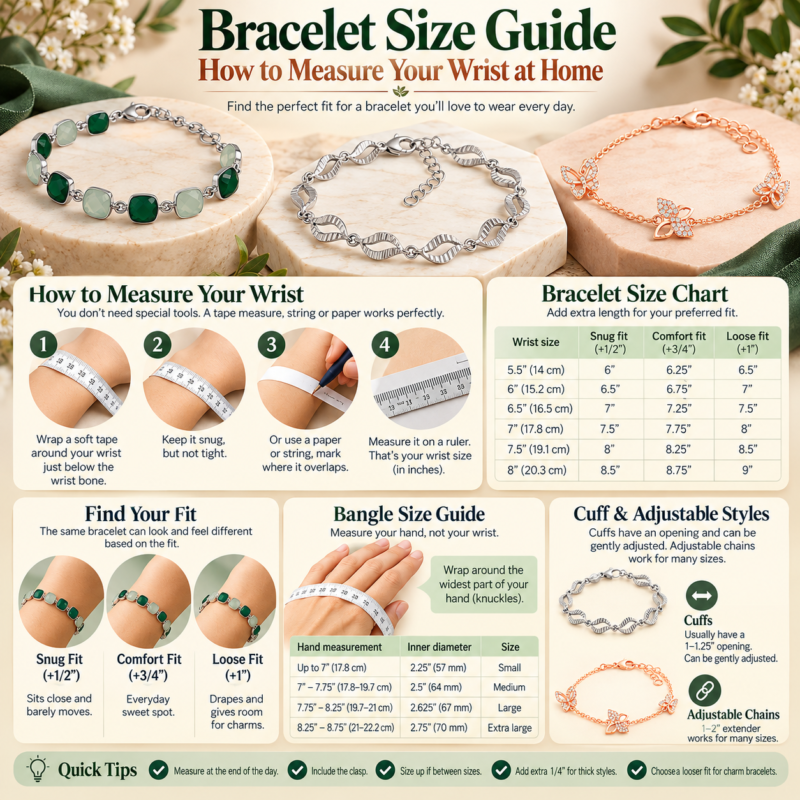
A bridge piece contains both metals, or a tone that sits between them. Two-tone rings, a chain with mixed links, or a rose gold-plated piece all help silver and gold look connected rather than competing.
4. Keep finishes in the same family
High-polish silver next to high-polish gold looks cohesive. Mixing a shiny piece with a heavily oxidized or brushed one can also work, but do it in only one spot so the look stays clean.
5. Match the scale
Dainty gold with dainty silver, chunky with chunky. A chunky silver cuff next to a hair-thin gold bracelet makes the gold piece disappear.
How to Mix Metals, Piece by Piece
Rings
Rings are the easiest place to start. Try this: two silver bands on your ring finger, one gold band on your middle finger, and a silver statement ring on your index. If you want a cohesive stack on one finger, place the gold band between two silver ones so it reads like a stripe of color.
Necklaces
Layer two to three chains at different lengths, like 16, 18, and 20 inches. Put your dominant metal on the longest and shortest chains and the accent metal in the middle. A silver pendant on a silver chain paired with a plain gold chain above it is a foolproof everyday combination.
Earrings
With multiple piercings, mixing is effortless. Keep your main lobe piercing in your dominant metal, then add the accent metal in a second or cartilage hole. If you only have one piercing per ear, let your earrings match your dominant metal and mix elsewhere.
Bracelets and watches
Your watch counts as jewelry. A gold watch with silver bangles is a classic combination. Stack two silver bangles, then one gold, and keep the pieces similar in width.
Quick Pairing Guide
| If your main metal is… | Add as an accent | Easy bridge piece | Works best with |
|---|---|---|---|
| Sterling silver | One or two thin gold-plated chains or bands | Two-tone ring or rose gold-plated pendant | Gray, navy, black, cool blues, jewel tones |
| Gold tones | A silver statement ring or cuff | Mixed-link chain bracelet | Camel, cream, olive, rust, warm browns |
| Even mix | Keep pieces dainty and similar in size | Two-tone pieces in each zone | White, denim, neutrals |
Gemstones in a Mixed-Metal Look
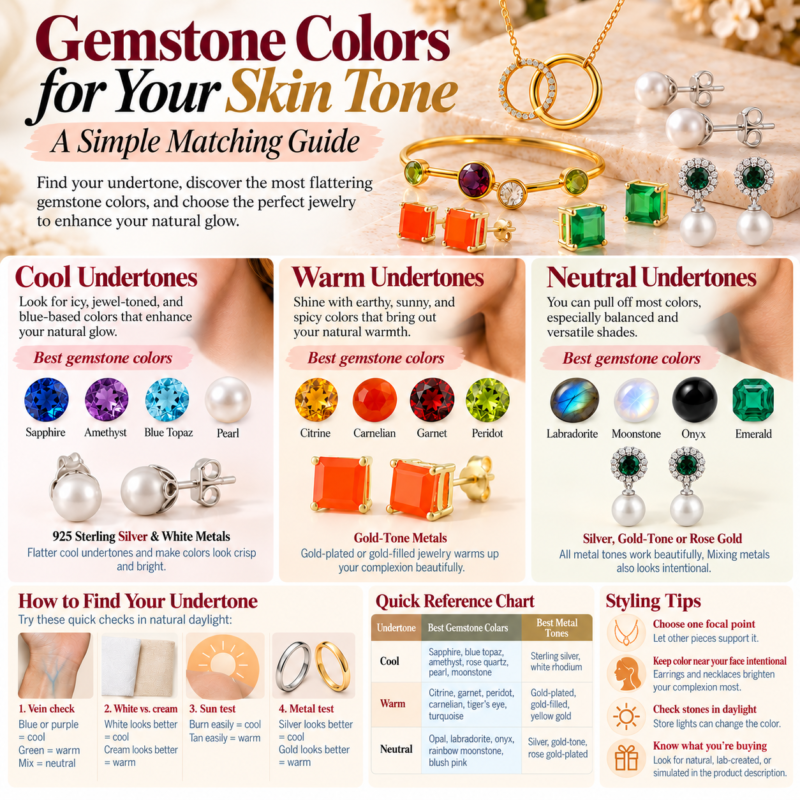
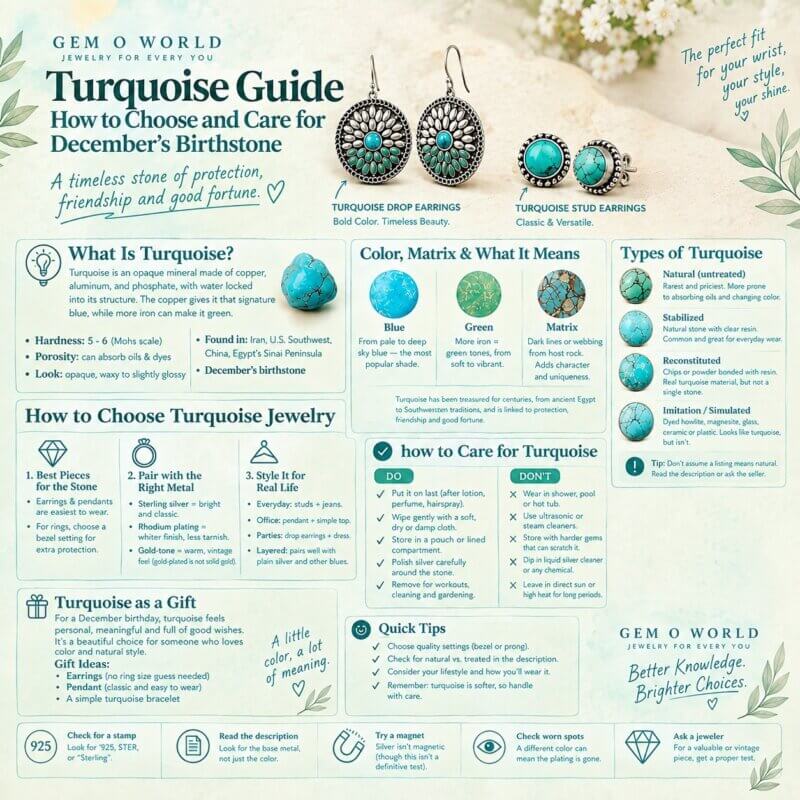
Gemstones can tie the whole look together. Clear and white stones, like cubic zirconia or moonstone, look great in both silver and gold settings, so they’re a natural bridge. Cool-colored stones such as blue topaz, amethyst, and aquamarine shine brightest in silver. Warm stones like citrine, garnet, and carnelian glow in gold.
If you’re wearing a gemstone piece as your focal point, let its setting decide your dominant metal, then mix around it. And when you’re shopping, check whether a stone is natural, lab-created, or simulated. All three can be beautiful, but you should know which one you’re getting.
Mistakes to Avoid
- The single stray piece. One gold ring among ten silver pieces looks forgotten, not styled. Repeat it or swap it.
- Too many focal points. A gold statement necklace plus big silver hoops plus a chunky cuff is a lot. Choose one star.
- Chains tangling. Different metals rubbing together all day can also scratch softer plating. Vary your chain lengths by at least 2 inches and try different chain styles.
- Ignoring undertones in your outfit. A cream sweater can make silver look a little flat, while charcoal can make gold look brassy. Let the outfit color guide which metal leads.
- Forgetting care differences. Gold-plated finishes wear faster than solid metal. Polish plated pieces gently and skip harsh dips.
Caring for a Mixed-Metal Collection
Store your pieces separately so harder pieces don’t scratch plated ones. Small zip bags or a lined box with dividers work well, and an anti-tarnish strip helps keep sterling silver bright. Wipe pieces with a soft, dry cloth after wearing to remove oils and lotion.
When cleaning, use mild soap and lukewarm water for most pieces. Avoid silver dip on anything plated or set with soft or porous stones, since it can strip finishes and dull some gems. Put your jewelry on after perfume and hairspray, not before.
Start Small and Build Your Mix
You don’t need a whole new collection to try this. Start with what you have: one silver ring stack plus a gold band, or your favorite silver pendant layered with a plain gold chain. Wear it for a week and see how it feels. Once you’re hooked, a bridge piece makes everything easier, and our rose gold-plated sterling pieces are a gentle way to connect cool and warm tones in a single layer.
Frequently Asked Questions
Is it okay to wear silver and gold jewelry together?
Yes, and it’s one of the most popular ways to style jewelry right now. The key is choosing a dominant metal and repeating your accent metal at least twice. That way the mix looks deliberate instead of random.
Can I wear a gold engagement ring with silver jewelry?
Absolutely. Many people pair a gold engagement ring or wedding band with silver everyday pieces. Add one more gold touch, like a thin bracelet or stud earrings, so your ring feels connected to the rest of your look.
Does gold or silver look better with my skin tone?
A common guideline is that silver flatters cool undertones and gold flatters warm ones, but most people can wear both. Mixing metals actually takes the pressure off. Try holding each metal near your face in natural light and go with what makes you look brighter.
Will gold-plated jewelry damage my sterling silver pieces?
Wearing them together won’t damage either one, but metal rubbing on metal can cause light scratches over time. Plated finishes are the more delicate of the two. Store pieces separately and clean them gently to keep both looking their best.